
Key takeaway
Why reliability, safety, and trust matter more than price when choosing non-emergency medical transportation for a loved one.
When families, caregivers, healthcare facilities, and patients begin searching for non-emergency medical transportation, the first question they often ask is: "How much does it cost?" It is understandable. Healthcare expenses continue to rise, and finding an affordable option feels important.
But there is a question that is often forgotten: "Who can I trust with my health, my safety, and my time?" Medical transportation is not like ordering a regular ride. This is not simply getting from Point A to Point B. This is transporting someone who may be elderly, recovering from surgery, living with a disability, using a wheelchair, unable to walk safely, or requiring additional assistance.
The cheapest provider may save a few dollars today. But the wrong transportation provider can create consequences that cost much more: missed medical appointments, delayed treatments, increased stress for families, unsafe transfers, poor patient experiences, hospital discharge complications, and lost trust between healthcare providers and patients.
When choosing a non-emergency medical transportation company, the most important factor should never be the lowest price. The most important factor should be: can this company safely and reliably care for the person I am trusting them with?
The Race to Find the Cheapest Transportation Provider
A common situation happens every day. A family member receives a call — a hospital discharge, an appointment scheduled for tomorrow, dialysis three times a week. Immediately, they begin searching and calling companies asking: "How much do you charge? What is your rate? Can you do it cheaper?" The company offering the lowest number often gets the attention first.
But many people do not ask the questions that truly determine quality: How long has the company been operating? Are the drivers trained for medical transportation? Are vehicles properly maintained? Does the company carry appropriate commercial insurance? Do they have experience transporting wheelchair users? Do they understand patient safety and mobility assistance? What happens if something goes wrong? Are they dependable enough for recurring medical appointments?
The reality is simple: a transportation company can have the cheapest price because they are cutting costs somewhere. The question is: where are those costs being cut?
The Difference Between Transportation and Medical Transportation
One of the biggest misunderstandings is believing all transportation services are the same. They are not. A regular rideshare service, taxi, or inexpensive transportation company may provide a vehicle and a driver. Medical transportation requires much more.
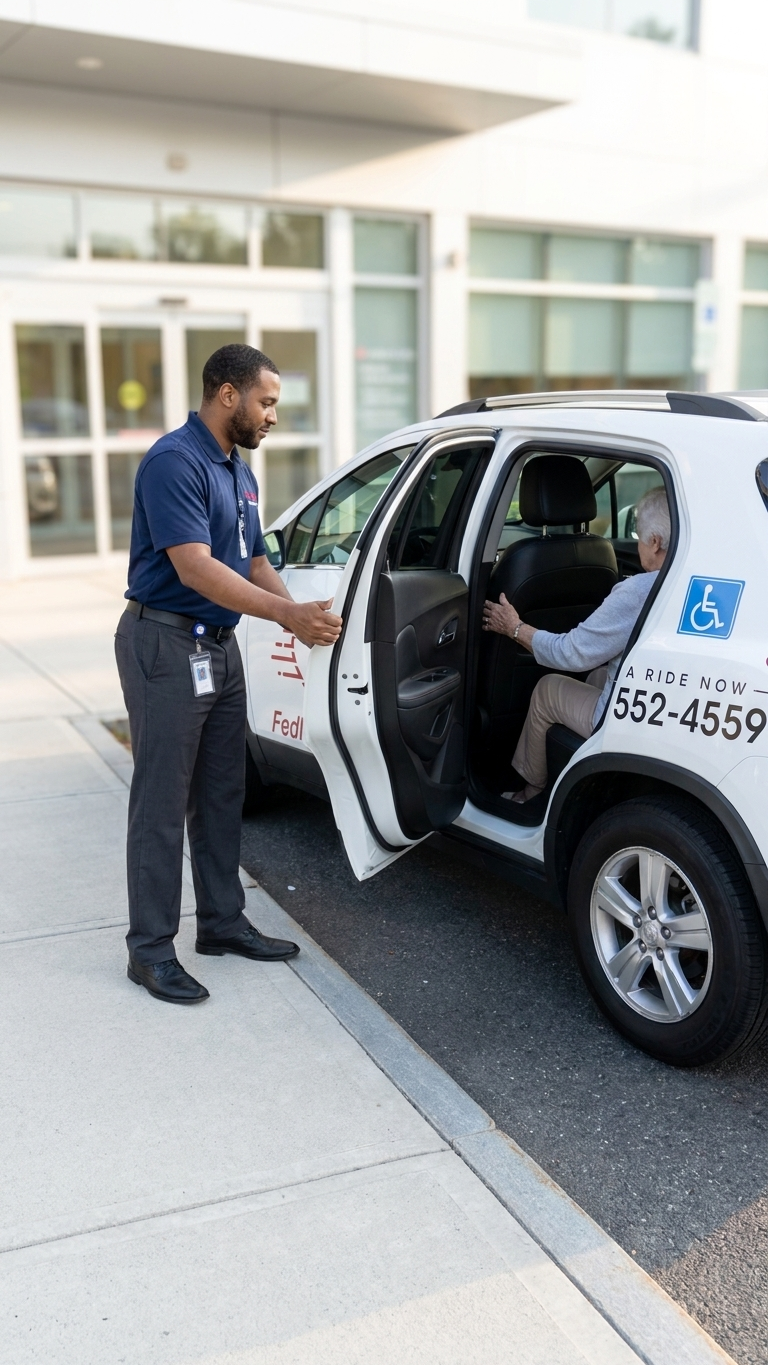
Patients often need safe mobility assistance — wheelchair support, door-through-door help, careful transfers, and extra time during loading. They need reliability around medical schedules; missing dialysis or arriving late for chemotherapy can disrupt treatment plans. And they need professional patient interaction from someone patient, respectful, compassionate, and professional. A medical transportation company is not just moving people — they are supporting people during important moments in their lives.
The Dangers of Choosing on Price Alone
The lowest price may mean the lowest level of service. Every business has operating costs: commercial insurance, vehicle maintenance, driver training, safety equipment, licensing, scheduling systems, and customer support. When a company consistently offers prices far below the market, patients should ask why. A low price is not automatically a problem, but a low price without proof of quality should be a warning sign.
Missed pickups can create serious problems. A patient gets ready, waits, and the vehicle does not arrive. For someone who is elderly, disabled, recovering from a procedure, or medically vulnerable, a missed ride can mean a missed appointment, rescheduled procedures, additional stress, extra costs, and delayed care. Reliability has value.
Not every company has experience with complex transportation needs. Some passengers may require assistance navigating stairs or entrances, additional time, proper securement procedures, careful positioning, and communication with caregivers. Experience matters.
Poor communication creates stress for families. Families should know when the vehicle is arriving, who is transporting their loved one, what to expect during the ride, and how to contact the company if questions arise. When someone you love depends on transportation for medical care, uncertainty is unacceptable.
How to Properly Vet a Non-Emergency Medical Transportation Provider
Is the company properly licensed and insured? A legitimate provider should be able to explain their business credentials, insurance coverage, safety procedures, and compliance standards. Do not be afraid to ask — a professional company will appreciate that you care about safety.
How long has the company been serving patients? Experience matters. A company that has transported many patients understands challenges inexperienced providers may overlook. If someone requires wheelchair transportation, ask: "Do you regularly transport wheelchair users?"
What training do drivers receive? Drivers interact directly with vulnerable passengers. Ask whether drivers are trained in patient assistance, whether they understand wheelchair securement, and whether they are trained to provide respectful assistance.
Are vehicles maintained and equipped properly? Ask about vehicle maintenance, accessibility equipment, cleanliness standards, and safety inspections. Patients deserve a safe and comfortable environment.
Price Is Temporary. Trust Is Everything.
When choosing a medical transportation company, the decision should not be "Who is cheapest?" The better question is "Who can I trust?" Transportation is connected to healthcare. The person behind the wheel may be responsible for helping someone get to life-sustaining dialysis, important medical appointments, follow-up care after surgery, rehabilitation services, and hospital discharge. The cheapest option may save money on one ride, but the right provider protects something far more valuable: your health, your safety, and your peace of mind.
Need a ride you can trust?
FedNor Transportation provides safe, dignified non-emergency medical transportation across MetroWest Massachusetts.