
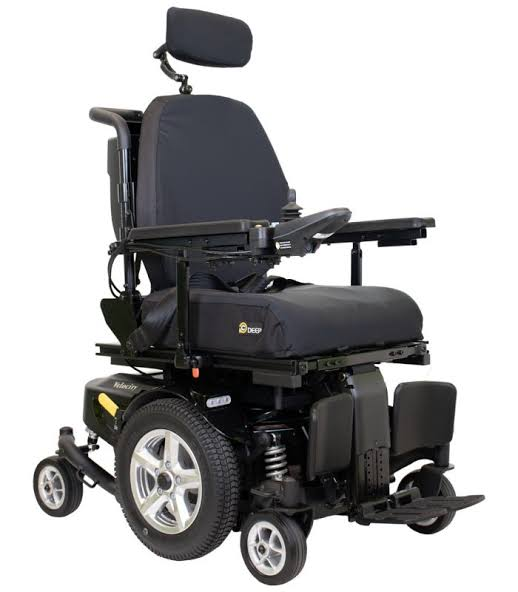
If you use a power wheelchair, you already know that getting somewhere is not as simple as getting into a car.
The chair itself is part of your mobility. It may be heavy, large, expensive, and customized specifically for you. You cannot simply fold it up and put it in a trunk. And when you are going to a medical appointment, the last thing you want to worry about is whether your wheelchair is going to make it there with you.
That is where wheelchair accessible medical transportation matters.
At FedNor Transportation, transporting someone who uses a power wheelchair starts with understanding the person, the chair, and the trip. The goal is not simply to move a wheelchair from one location to another. The goal is to transport the passenger and their mobility equipment together so they can arrive at their destination with the equipment they depend on.
What Happens When You Request Power Wheelchair Transportation?
When you contact FedNor Transportation, we need some basic information about the trip and the passenger's mobility needs.
That can include the pickup location, destination, appointment date and time, whether the passenger will remain in their power wheelchair during transportation, and other information that helps us understand what type of transportation is appropriate.
This information matters.
A power wheelchair is not the same as a lightweight manual wheelchair. Different chairs have different dimensions, weights, configurations, and mobility features. Knowing what we are transporting ahead of time helps us plan the trip properly.
If you are arranging transportation for a family member, caregiver, conservator, facility resident, or patient, it is helpful to mention that the passenger uses a power wheelchair when requesting the ride.
The Passenger Does Not Have to Leave Their Wheelchair Just Because They Are Getting Into a Vehicle
One of the biggest concerns people have when arranging wheelchair transportation is whether they will have to transfer out of their wheelchair.
For wheelchair accessible transportation, the vehicle can be configured to accommodate a wheelchair passenger without requiring a standard vehicle transfer in appropriate circumstances.
The passenger can remain in their wheelchair while being transported when the vehicle, wheelchair, and transportation setup are appropriate for that type of trip.
This is especially important for people whose power wheelchair is their primary means of mobility.
Your wheelchair is not luggage. It is your way of getting around.
Getting the Power Wheelchair Into the Vehicle
This is the part many people have questions about.
A wheelchair accessible vehicle uses a wheelchair ramp or lift to provide access to the passenger compartment. The power wheelchair is positioned onto the accessible equipment and guided into the vehicle.
The process needs to be handled carefully because a power wheelchair is substantial equipment. It is not something a driver should treat like an ordinary piece of baggage.
The driver assists with the boarding process and makes sure the passenger and wheelchair are positioned appropriately inside the vehicle.
Once inside, the wheelchair is secured according to the vehicle's and transportation equipment's requirements.
The purpose is straightforward: the passenger should be transported together with their mobility device in an appropriate wheelchair accessible position.
What About the Weight of a Power Wheelchair?
This is something you should tell the transportation provider about when making your request.
Power wheelchairs can be significantly heavier than manual wheelchairs, and specifications vary between models.
If you know the approximate weight or model of the wheelchair, provide that information when requesting transportation.
You do not need to be an expert on wheelchair specifications. If you are unsure, simply tell FedNor that the passenger uses a power wheelchair and provide whatever information you have.
The more accurate information we have before the trip, the better we can understand the transportation requirements.
What If There Are Stairs at the Pickup Location?
This is a completely different transportation challenge.
A wheelchair accessible vehicle can get the passenger into the vehicle, but the passenger still needs a way to get from the home or building to the vehicle.
If there are stairs between the passenger's door and the vehicle, tell us about them when requesting the ride.
FedNor also provides stair chair transportation for situations where stair access is part of the transportation challenge and the service is appropriate for the passenger's needs.
That information should be discussed before the trip, not when the driver arrives and discovers several flights of stairs.
This is one of those details that can make a major difference in how a transportation request is planned.
What Should You Tell FedNor When Booking?
If you are requesting transportation for someone who uses a power wheelchair, don't feel like you need to know exactly what information a transportation company needs. Just start with the basics.
- The passenger uses a power wheelchair.
- Where the passenger is being picked up.
- Where they are going.
- The date and time of the appointment.
- Whether the passenger will remain in the wheelchair during transportation.
- Whether there are stairs at the pickup or destination.
- Any other mobility or access information that could affect the trip.
If you are a caregiver arranging transportation for someone else, it is completely reasonable to ask questions before scheduling.
You should know what type of vehicle is being used, how the wheelchair will be accommodated, and whether there are any access issues that need to be discussed ahead of time.
What About Medical Appointments?
Power wheelchair transportation is commonly needed for everyday healthcare trips. That can include:
- Doctor appointments
- Hospital visits
- Specialist appointments
- Physical therapy
- Dialysis
- Rehabilitation
- Outpatient procedures
- Clinic visits
- Other scheduled healthcare appointments
For someone who depends on a power wheelchair, transportation is not a minor detail of the appointment. It is what makes getting to the appointment possible.
Why Planning Ahead Matters
Nobody wants to discover a transportation problem the morning of an important medical appointment.
The appointment may already be scheduled. The caregiver may already have taken time off work. The patient may already have arranged everything else. Then comes the question: "How are we getting there?"
If the answer is wheelchair accessible transportation, it is better to start the request before the appointment date whenever possible.
That gives everyone more time to discuss the passenger's mobility needs, pickup location, destination, wheelchair type, stairs, and other details that could matter.
Power Wheelchair Transportation Is About More Than the Vehicle
There is a tendency to think of wheelchair transportation as simply having a wheelchair van. The vehicle is obviously important. But transportation involves more than the vehicle.
Someone has to understand the pickup location. Someone has to know that the passenger uses a power wheelchair. Someone needs to recognize when stairs may create an additional problem. Someone needs to understand that the wheelchair is essential mobility equipment, not something that can simply be left behind.
Those details matter to the person sitting in that wheelchair.
Need Power Wheelchair Transportation in Massachusetts?
FedNor Transportation provides non emergency medical transportation throughout Massachusetts, including wheelchair accessible transportation for passengers who use mobility devices.
If you have an upcoming medical appointment and use a power wheelchair, provide the transportation details when requesting your ride.
The earlier you start the process, the more opportunity there is to discuss the transportation requirements before appointment day.
Need a wheelchair accessible ride? Request your transportation with FedNor Transportation.
Need a ride you can trust?
FedNor Transportation provides safe, dignified non-emergency medical transportation across MetroWest Massachusetts.